The tribe of Judah numbered 74,600 fighting men in the first wilderness census (Numbers 1:27), more than any other tribe of Israel. Judah was the tribe descended from Jacob and Leah’s fourth son. They settled the hill country south of Jerusalem and gave Israel her kings, as well as her greatest wisdom, in David and Solomon. They also gave their name to Judea and to the people who were to become known as Jews.
This census number tells a micro-story in Judah’s history. Judah begins as one man, grows to become the largest tribe, claims the best land, holds the throne, and survived the exile the northern tribes did not. They ended up lending their name to an entire people. Here’s a look at that micro-story with the relevant verse for each step.
Who was the tribe of Judah in the Bible?
The Tribe of Judah is the descendants of the 4th son of Jacob, Judah, by his wife Leah. In the bible, the tribe is first identified by their forefathers. Wikipedia’s entry on the tribe notes that Leah named Judah in praise — “This time I will praise the Lord” (Genesis 29:35). Several scholars have interpreted Judah to mean “praise” or “thanksgiving.”
What does the name Judah mean?
“Judah” means “praise.” Thanksgiving. It comes straight out of Leah’s words at his birth. When he blessed Judah, Jacob stated “Judah, your brothers shall praise you.”
From Judah’s sons to the clans of the tribe
The most important line runs through Perez, Judah’s son through Tamar, Hezron, and goes down through Boaz and Jesse to David. Caleb the Spy, who received Hebron, and Nahshon son of Amminadab, who led the tribe in the wilderness, also hailed from Judah. Later, prophets including Isaiah and Micah came from Judah’s territory. Reuben was Jacob’s firstborn, and Judah was the 4th son, but he ended up bearing the crown.
Judah the man, the tribe, the kingdom, Judea, and “Jew” — untangling the five
This is where most readers get confused, because the term “Judah” means five different things depending on the sentence. When read as one continuous line, the confusion disappears.
- Judah the man — Jacob’s fourth son, an individual in Genesis.
- The tribe of Judah — his descendants, whose lands were allotted in Joshua 15.
- The Kingdom of Judah — the southern state formed after the split of the 12 Tribes of Israel about 930 BCE. The term is often used to describe a political entity which also included the tribe of Benjamin and the Levites, so the kingdom is wider than the tribe.
- Judea — the Greek and Roman term for the same Hebrew region, built on the same Hebrew root.
- “Jew” (Yehudi) — a term used after the Babylonian exile for the whole people rather than one tribe.
Why “Kingdom of Judah” does not mean “tribe of Judah”
In 700 BCE, a Benjamite living in Jerusalem was a citizen of the Kingdom of Judah, but not a member of Judah’s tribe. Both were simultaneously true. A verse which praises or condemns “Judah” should be determined whether it refers to the bloodline or the state — the answer changes the meaning.
How “Judah” became “Jew”
Wikipedia records that after the exile the distinction between the tribes was lost, and “Judah” became the foundation of the word “Jew.” Practical reading rule: in Genesis, Judah is usually a person; in Joshua and Numbers, a tribe; in Kings, Chronicles and the Prophets, a kingdom; from the Persian period and thereafter, a people. Context usually helps to determine the meaning.
What did Jacob’s blessing promise Judah, and why a lion?
Genesis 49:8-12 is the tribe’s charter. In it, Jacob blesses his sons before his death and raises Judah above his older brothers and says “Judah, your brothers shall praise you.” In verse 9, Jacob refers Judah as a “lion’s whelp”, an obvious allusion to Judah being portrayed as a lion, and consequently has been adorned by the tribe of Judah as their tribal symbol, and also has been depicted in Jewish Arts and Decorations of synagogues. Jacob promises in Verse 10, “The scepter will not depart from Judah” and with the figure of Shiloh, in both Jewish and Christian readings, takes a messianic form. The Hebrew behind the familiar title is Aryeh Lammatteh Yehudah: the Lion of the tribe of Judah.
Is the Lion of Judah Jesus?
Yes, in a Christian context, the Lion is Jesus. In Revelation 5:5, it says, “the Lion of the tribe of Judah, the Root of David” a direct reference to Genesis 49:9. In Jewish readings, the lion remains the emblem of the royal tribe and the scepter promise is read as waiting for a future messianic king from the house of David.
The Ethiopian and Rastafari use of the title
If you have landed on this article because of the title “Conquering Lion of the Tribe of Judah” you are probably searching something else entirely. That was the Ethiopian imperial title borne by Haile Selassie I, in which Rastafari belief read Genesis 49:9 and Revelation 5:5 as referring to him. The Lion of Judah entry covers that thread. It is a separate context from the Hebrew Bible tribe, and worth knowing that you have landed on the wrong one.
Where was the territory of the tribe of Judah?
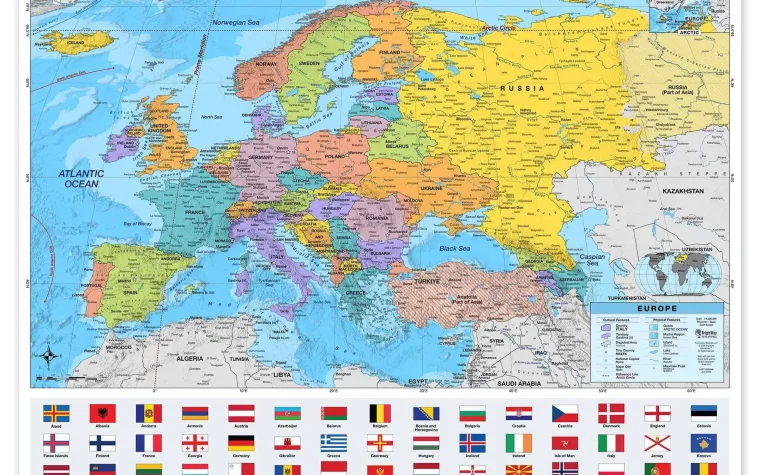
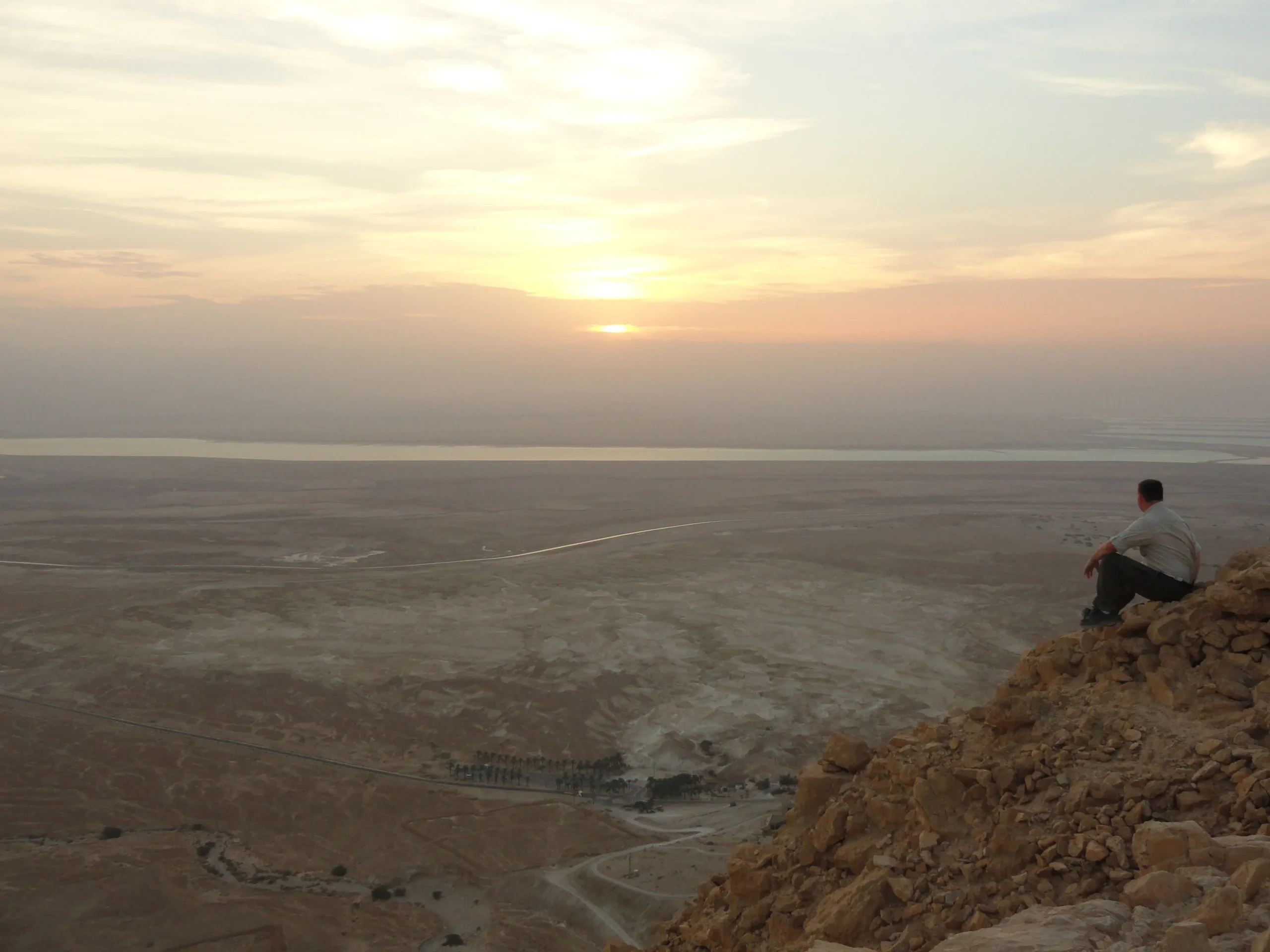
South of Jerusalem and a lot more. Joshua 15 describes the allotment twice. The first time is a description of the boundaries in the order south, east, north, west (verses 1-12). The city lists come next (verses 20-63). Kadesh-barnea is included in the southern boundary, which goes from the southern end of the Dead Sea west to the Mediterranean and reaches the Wadi of Egypt. The Dead Sea is the eastern boundary of the allotment. The city lists in verses 21-32 alone name 36 southern cities, which shows that the tribe held a lot of land.
The four regions of Judah’s land
Judah’s land was divided into four regions: the Negev in the south, the Shephelah foothills in the west, the wilderness of Judah along the Dead Sea, and the central hill country. One tribe, four climates — Judah’s land encompassed a varied climate, which helps account for the ability of the land to support a population that large.
Hebron, Bethlehem and Jerusalem
Hebron was the inheritance of Caleb. Bethlehem is the town of David. Lachish guarded the Shephelah. Jerusalem was on the northern border of Judah and Benjamin. This helped locate it as the subject of dispute, and it is why the city belongs to the kingdom’s story more than to one tribe’s land grant. The complete order of the boundaries and the city lists in Judah’s allotment in Joshua 15 describes that allotment in full.
Why was the tribe of Judah so important?
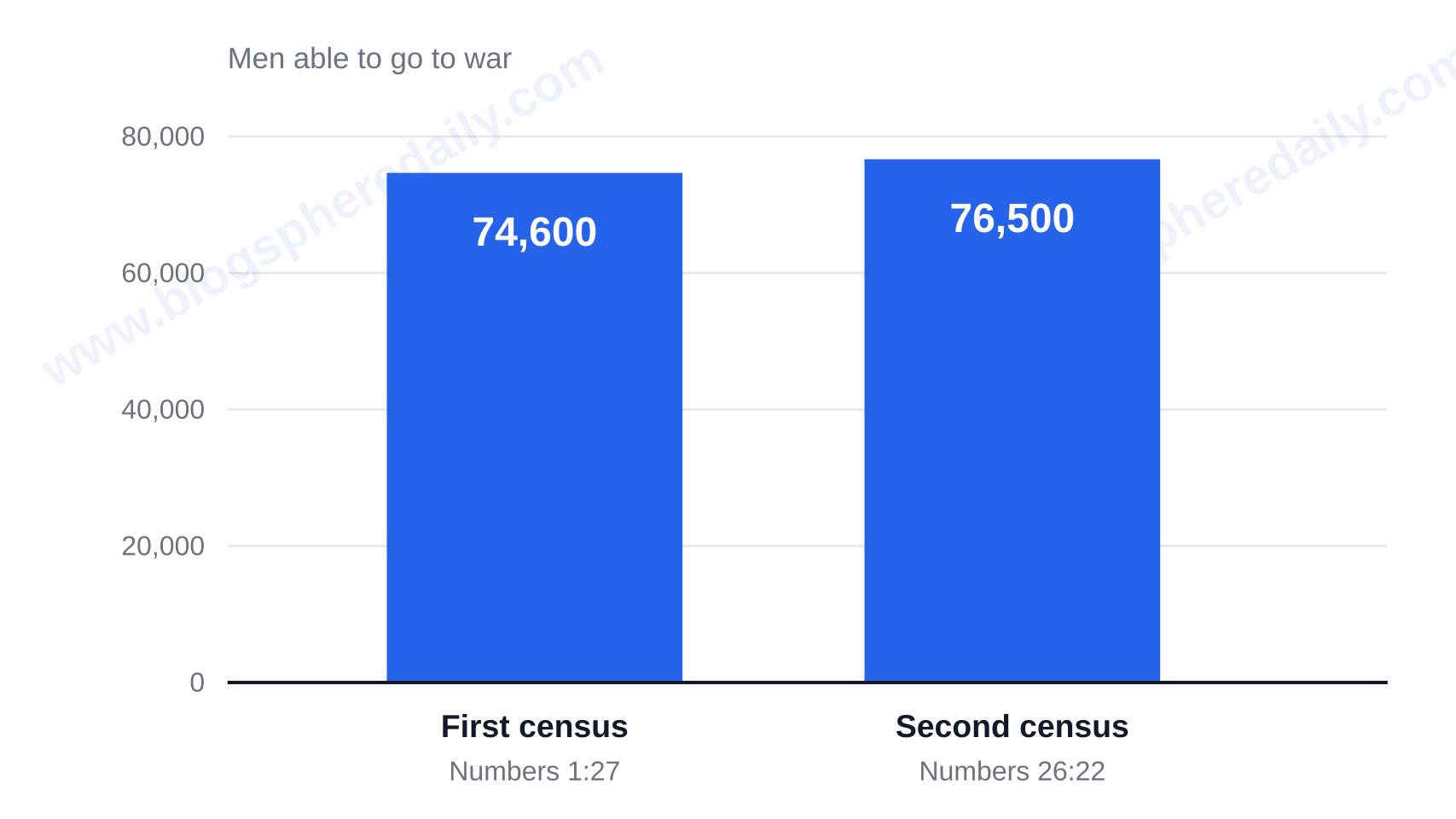
Most pages say Judah “became the most powerful tribe” and don’t go into much detail. However, the numbers provided make it easy to check. According to the first census in the book of Numbers, Judah had 74,600 men who were able to go to war, making it the largest tribe at the time (Numbers 1:27). The second census reported 76,500 men (Numbers 26:22), the largest tribe both times. At the first count, the next-largest tribe trailed it by nearly twelve thousand men.
Rank showed in the camp layout too. In Numbers 2:3, it says Judah camped along the eastern border of the camp toward the sunrise (i.e. in the post of honour), and had its own standard with Nahshon the son of Amminadab leading. Judah also set out first on the march. Size, position, order of movement — all three point the same way.
Then came the throne. Britannica also says the tribe settled south of Jerusalem, became the most powerful and important of the tribes, later produced David and Solomon, and carried the prophecy that the Messiah would come from among its members. The Davidic covenant tied the dynasty — and the kingdom’s identity — to Judah’s line, which is why the New Testament traces Jesus to Judah through David, and why Revelation 7:5 lists Judah first among the tribes sealed.
What happened to the tribe after the kingdom split?
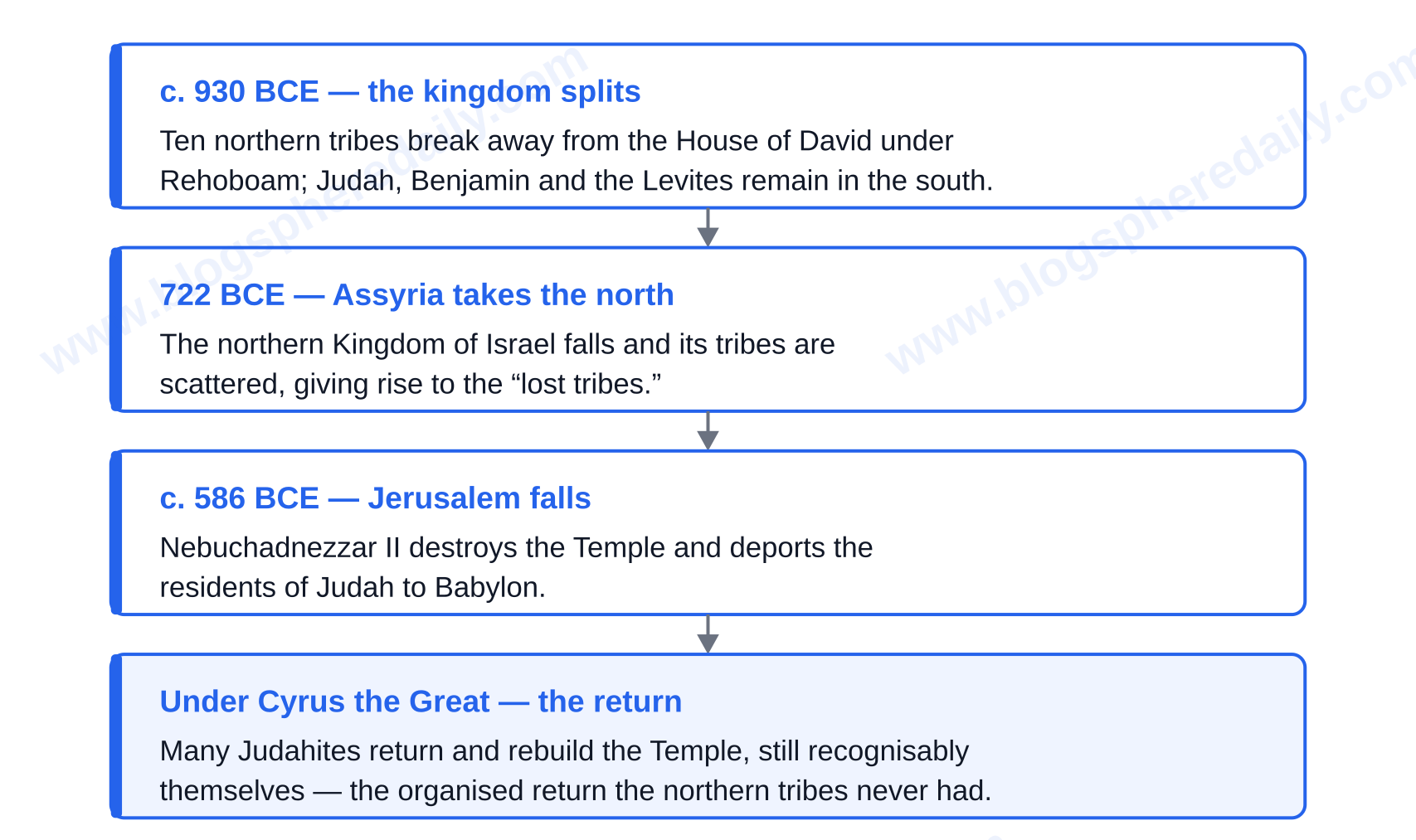
Four dates hold the answer.
In c. 930 BCE, upon the accession of Rehoboam, the ten northern tribes broke away from the House of David. The remnant in the south, the Kingdom of Judah, comprised Judah, Benjamin and the Levites, with their capital in Jerusalem. In 722 BCE, the northern Kingdom of Israel was conquered by Assyria. Its tribes were scattered, giving rise to the “lost tribes.” In c. 586 BCE, Nebuchadnezzar II took Jerusalem. He destroyed the Temple and deported the residents. Then, under Cyrus the Great, many Judahites returned to rebuild the Temple, and did so still recognisably themselves.
That difference is the mechanism nobody spells out. Both halves lost their land. Only Judah had a large scale, organized return. Judah’s exile to Babylon and their return maintained their identity; dispersal without return dissolved the northern tribes. The Jewish Encyclopedia’s treatment of the tribe provides information regarding its lineage and standing from a scholarly perspective within Judaism.
The Tel Dan Stele and the House of David
The House of David can be historically documented. The Tel Dan Stele, a 9th-century BCE fragment unearthed in July 1993 at Tel Dan with two more fragments found the following year, is the earliest mention of the royal “House of David” outside the Hebrew Bible. Biblical Archaeology Society reports that it shows David was still regarded as founder of the dynasty about a century after his death — at a time when scholars actively debated whether he had existed at all. The stele has since travelled for public display, including at the Jewish Museum in New York.
Does the tribe of Judah still exist today?
Yes and no, and getting this distinction right is important. The people of Judah were returned from Babylon as an identifiable group, so they are not considered one of the lost tribes. According to the New World Encyclopedia, most modern Jews trace their heritage to the tribe of Judah, which had absorbed Benjamin, and to the Levites, rather than to Reuben, Naphtali or the other northern tribes.
Can you trace your own descent from Judah?
Most likely not, and this is where the standard framing misleads people. After the Exile, the tribal distinctions were not maintained. Apart from the families of the Kohanim (Priests) and the Levites, there are no documents that maintain the records of the descendants of Judah. If you are researching personal ancestry or considering someone’s claim of being of the tribe of Judah, judge the claim to be of the tradition rather than of record. Judah is survived in terminology rather than in records. The name Judah is survived in Judea, Jew and Judaism.
The verses behind every claim about Judah
Every major claim above is supported by a verse or two. Here they are for easy reference for study groups and lesson preparation.
| Claim | Source text |
|---|---|
| Name means praise / thanksgiving | Genesis 29:35 |
| Lion, scepter and Shiloh | Genesis 49:8-10 |
| Largest tribe: 74,600 then 76,500 | Numbers 1:27; Numbers 26:22 |
| Camp position east, leader Nahshon | Numbers 2:3 |
| Territory boundaries and city lists | Joshua 15 |
| Kingdom split under Rehoboam, c. 930 BCE | 1 Kings 12 |
| Babylonian conquest and exile, c. 586 BCE | 2 Kings 25 |
| Messianic title; tribes sealed | Revelation 5:5; Revelation 7:5 |
Rule of thumb: When you read the word Judah, think about whether the text is referring to the man, the tribe, the kingdom, or the people. Context will tell you, and this one question will help you prevent most of the confusion with this tribe. For other pieces in this vein, see Blog Sphere Daily.
FAQ
Which of Jacob’s sons was Judah, and who was his mother?
Judah was the fourth son of Jacob (Israel) and his wife Leah. Leah’s name for him was “This time I will praise the Lord” (Genesis 29:35), and the name is commonly understood to mean “praise” or “thanksgiving.” Reuben was the firstborn, but it was through Judah’s line that the kings were descended.
Why is Jerusalem associated with Judah if it sat on Benjamin’s border?
According to Joshua 15, Jerusalem is on Judah’s northern border with Benjamin, so its tribal allotment is genuinely contested. The link between Jerusalem and Judah is of a political nature rather than territorial. With the establishment of the Kingdom of Judah under the House of David, the capital was Jerusalem, and that kingdom included Benjamin and the Levites alongside Judah.
What is the difference between the tribe of Judah and the tribe of Levi for Jews today?
Levi had a traceable role: Kohanim and Levites still carry family traditions of descent, with ritual duties to perform. For the tribe of Judah, there is no such register. After the Babylonian exile the tribal distinctions were lost, and while most Jews of today broadly trace their heritage to Judah — which had absorbed Benjamin — or to Levi, no individual can document a line back to Judah himself.